
Table of Contents
Local SEO helps your business appear in Google Maps, “near me” searches, and local listings. Use this checklist to boost visibility, trust, and traffic in your area.
Local customers are searching. The question is — are you showing up when they do?
Most business owners know local SEO matters. But let’s be honest — the advice out there is overwhelming, often too technical, and full of fluff. That’s why I created this no-nonsense, high-impact checklist to help you fix what actually matters — and skip what doesn’t.
Let’s dive in.
1. Claim and Fully Optimize Your Google Business Profile (GBP)
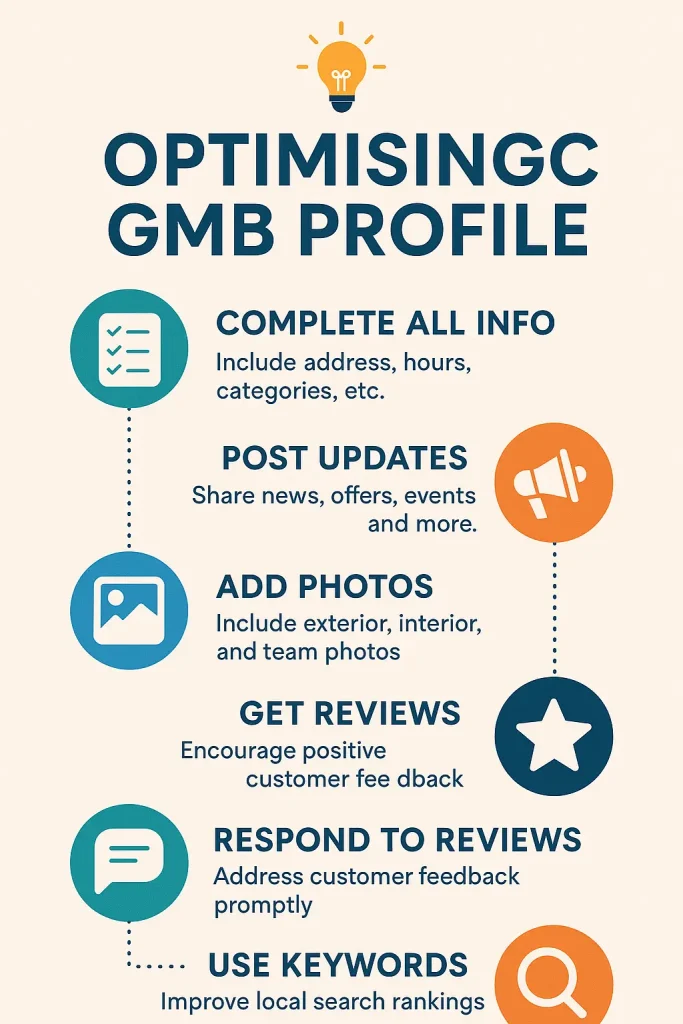
People trust what they see. Fill out your profile completely — categories, hours, services, images, Q&A. Google uses this info to rank you locally.
Pro Tip: Add high-quality photos and post updates weekly. It keeps you “fresh” in Google’s eyes and triggers the mere exposure effect (people trust what’s familiar).
Not sure why it’s on the checklist? Here’s why your Google Business Profile is critical to local success.
2. Use Consistent NAP Across the Web
Your Name, Address, and Phone number (NAP) must be identical everywhere: website, social media, directories.
Why it matters: Google compares your NAP across sources to confirm your business legitimacy. Consistency builds cognitive fluency — your brain likes matching patterns, and so does Google’s algorithm.
3. Get Listed on Local Directories
Citations = trust. Get listed in reputable local directories (Yelp, Brabys, Yellow Pages, etc.). Seeing your business in multiple places builds a sense of “authority” and familiarity for users.
4. Optimize On-Page SEO for Location
Include your city/suburb in page titles, meta descriptions, headers, and image alt tags.
Example: “Hair Salon in Randburg | Book a Local Appointment Today”
This activates local intent in Google’s algorithm and taps into the anchoring effect — associating your name with the location.
5. Create Location-Specific Pages
If you serve multiple areas, create dedicated pages for each.
Example: /plumber-soweto vs /plumber-randburg
Why it works: Specificity increases relevance, and framing theory shows that people respond better to tailored solutions.
6. Collect and Respond to Reviews
Reviews = social proof. Encourage happy clients to leave them — and always reply, even to negative ones.
Reciprocity principle: When you respond politely and personally, people are more likely to leave future reviews.
7. Add Local Schema Markup
Use Schema.org to help Google understand your business: location, services, opening hours, etc. This helps you win rich results, boosts trust signals, and increases click-through rate with visual enhancements.
8. Optimize for Mobile and Speed
Over 60% of local searches happen on mobile. A slow or clunky site kills conversions fast.
Pro tip:Faster load = lower stress = higher dopamine = more conversions. Test your site using Google’s PageSpeed Insights or GTmetrix.
9. Build Local Backlinks
Get links from local chambers, blogs, partnerships, or sponsors. It’s not just about authority — it’s about local relevance. This taps into the authority bias — people trust businesses that appear connected and respected locally.
10. Use a Clear Local CTA
Tell people what to do — and tie it to location.
Ex: “Book your Randburg consultation now” or “Call us in Midrand today.”
CTA structure tip: Place your CTA where the eye naturally falls (right side, under headings), using contrasting colors to boost visibility and action.
Bonus Tip #11: Track Your Local SEO Performance
Local SEO isn’t “set and forget” — it’s a process. Make sure you know what’s working (and what’s not).
Tools to use:
Google Business Profile Insights – views, searches, calls
Google Search Console – which local keywords you’re ranking for
GA4 – track traffic to local service pages
Local rank trackers (like BrightLocal) – monitor map visibility
This helps you prove ROI and stay ahead of competitors.
Final Thoughts
You don’t need a huge budget to win in local search.
You need clarity, consistency, and a strategy designed for real humans — and real results.
This checklist is your roadmap. Whether you’re a small business owner, a local service provider, or a startup wanting to get found — these 10 (okay, 11) essentials will give you a strong local SEO foundation.
Need help with your Local SEO? Book a Free Local SEO Audit
Want Results-Driven Content Like This on Your Website? Let’s Build a Strategy That Converts. Contact me NOW!
Frequently Asked Questions About Local SEO
Local SEO includes everything you do to help your business appear in local search results — like optimizing your Google Business Profile, using consistent contact details across the web (NAP), earning reviews, building local backlinks, and creating location-specific content.
Start by:
Claiming and optimizing your Google Business Profile
Ensuring your business name, address, and phone number are consistent online
Adding location-based keywords to your website
Getting listed on trusted local directories
Encouraging customer reviews
Following a checklist like the one in this article is a great starting point.
Use these tools:
Google Search Console: Check which local keywords you rank for
Google Business Profile Insights: See calls, searches, and map views
GA4 (Google Analytics): Track traffic and conversions from local pages
Local rank tracking tools: Monitor your visibility in map and local pack results
Tracking helps you see what’s working and where to focus next.
Your Google Business Profile is arguably the most important. It impacts how (and whether) you appear in map results and “near me” searches.
But other essentials — like reviews, local backlinks, and website optimization — also play a major role.
Use clean, descriptive URLs that include your service + location.
Examples:
/plumber-randburg/hair-salon-sandton
This tells Google what the page is about and improves relevance in local searches.
Want help implementing your local SEO? Book a Free Local SEO Audit. Let’s Build a Local Strategy That Works